

Watch on Youtube
Listen on Spotify
Read the transcript with ChatGPT
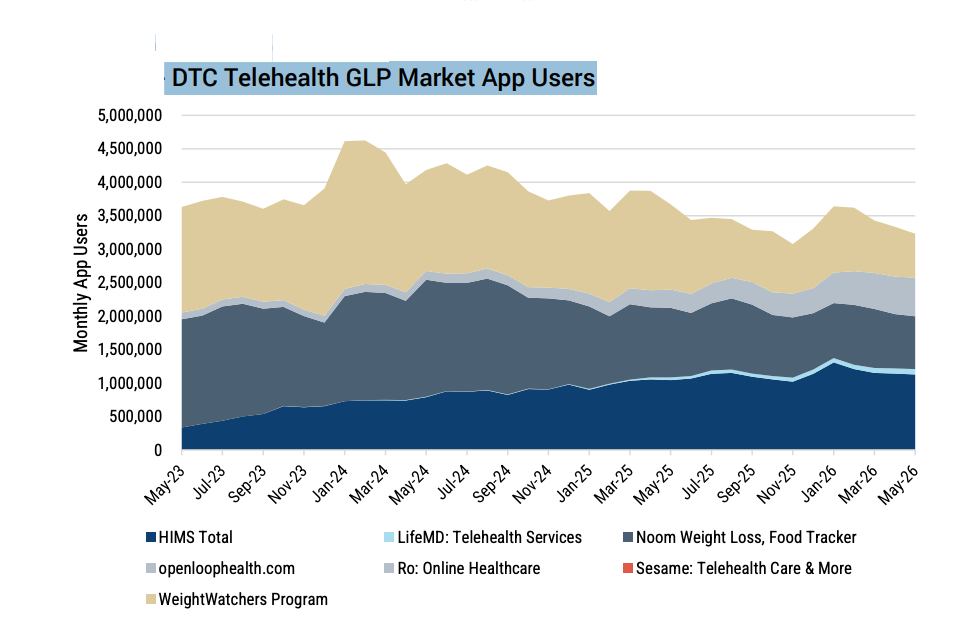
Formerly an iOS engineer at The New York Times Company, Aja Beckett has created a GLP-1 companion app called Shotsy. She built the app after beginning GLP‑1 treatment herself and discovering how difficult it was to make sense of everything happening between appointments with her physician. Aja was Shotsy’s first user. Now there are 350,000 monthly active users. That is roughly half the estimated monthly users for the gigantic, publicly traded company WeightWatchers.
I recently spoke to Aja, and by the time we finished recording, I could hear the Silicon Valley gods beaming with delight. Here is a founder who obeys their favorite commandment: solve a problem you have yourself. In Aja’s case, one million downloads in 16 months suggests that quite a lot of people face the same problem she did.
If you haven’t already guessed by those numbers, Aja and her team have created a remarkably capital-efficient business. Shotsy neither sells the medication nor provides the clinical care that DTC platforms charge for, yet roughly one-third of Shotsy’s 350,000 monthly active users subscribe to the premium version, which is an exceptional penetration rate for a freemium subscription app.
At the £29.99 UK premium price, Shotsy’s annual subscription revenue is roughly £3.5 million. Because SaaS margins are generally excellent, we can estimate the gross margin to be in the ballpark of 85%, equating to roughly £3M before Apple deducts their platform fee (which is 15–30%). Shotsy is now cash-flow positive, which has been driven by an efficient marketing engine. Aja says that about two-thirds of new users discover Shotsy through community groups, keeping customer acquisition costs extremely low.
The question now is, can Shotsy scale further?
Here are three key lessons I took from how Shotsy acquires, converts, and retains its users.
Sponsorships are now fully booked through the end of 2026 (pretty nuts!). If you’d like to discuss a Q1 2027 partnership with GLP-1 Digest, get in touch.
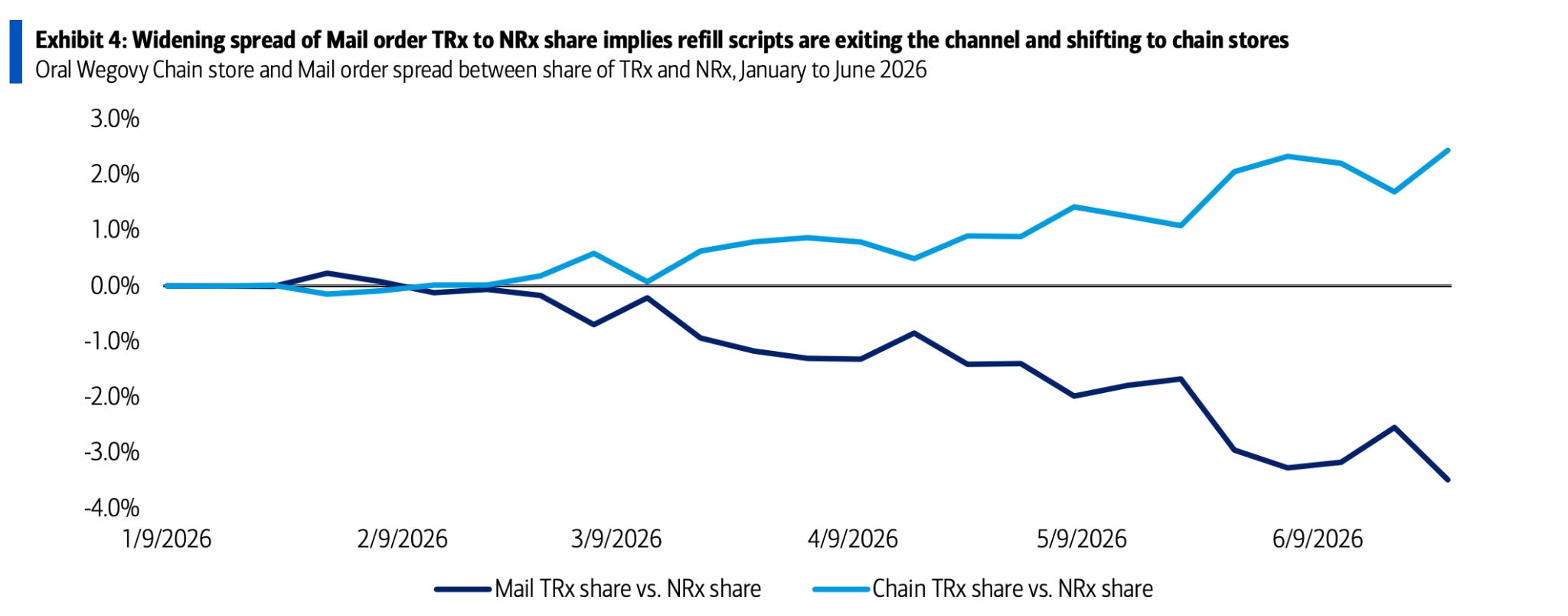
1. Build a treatment record that follows the user, not the provider. Shotsy is not tied to any companies that supply GLP-1 medication. That is a distinct advantage in both the US and UK markets, in which people regularly switch telehealth providers to get the cheapest price. For example, recent BofA and IQVIA data shows that after patients are acquired through cheap introductory offers via mail order, those customers are switching to lower-cost retail pharmacies such as CVS or Walgreens as early as their second month of treatment. This type of switching behavior risks fragmenting a customer’s treatment history across different providers’ apps.
The more common it is to switch GLP-1 providers, the more valuable a provider-independent treatment record becomes. Shotsy is perfectly positioned to capture this type of customer data that could later be sold to various pharma companies.
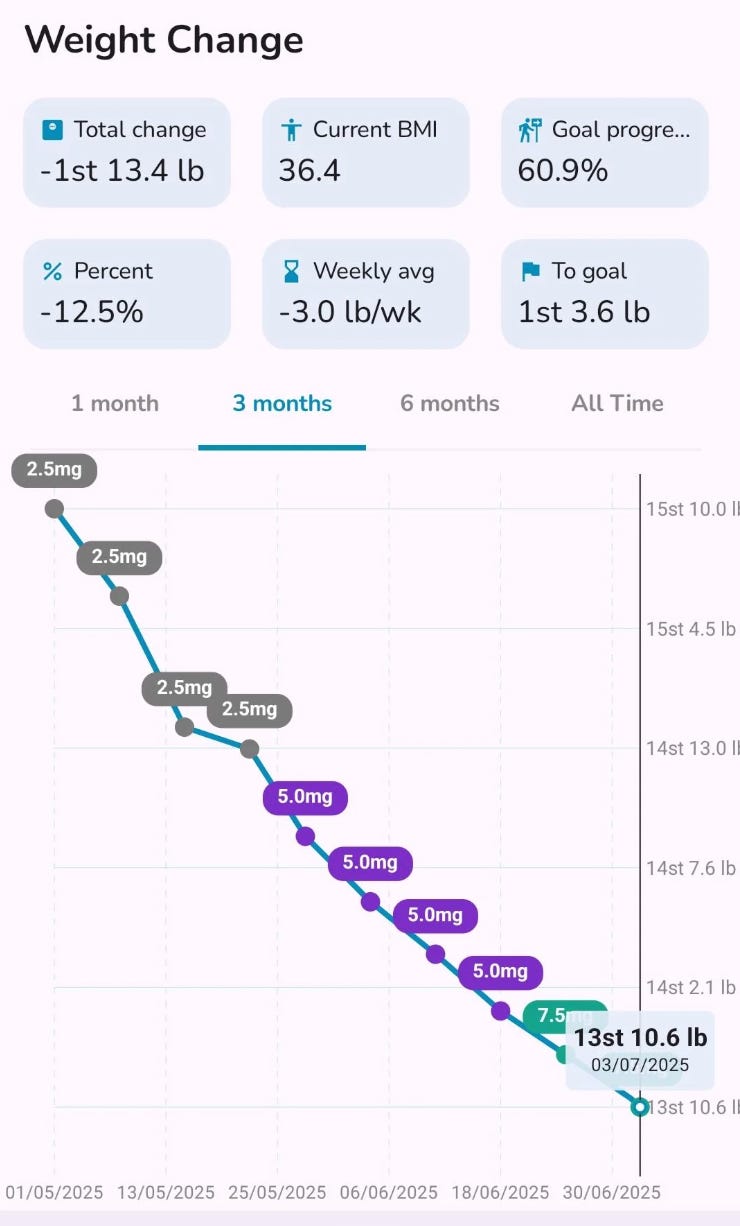
2. Turn product utility into shareable content. Shotsy overlays each dosage change onto a user’s weight-loss chart, creating an instantly understandable story of their treatment. Users began screenshotting these charts and posting them in Reddit and Facebook groups. Each chart therefore does two jobs: it helps the user understand their progress, and its inherent shareability introduces Shotsy to an audience already taking—or considering—GLP‑1s.
3. Retain customers by remaining useful throughout their treatment plans. Aja says annual renewals among paying subscribers are “off the charts.” Her explanation is that Shotsy remains useful across the entire GLP-1 journey, from active weight-loss all the way through to maintenance. Even if app usage ebbs and flows, the value of a user’s accumulated treatment history does not. Every jab, dose change, or pause creates a new reason to return to the app and understand the story behind what is happening. Shotsy’s retention is built on recurring utility rather than manufactured engagement.
**The views, opinions, and recommendations expressed in this essay are solely my own and do not represent the views, policies, or positions of any other organization with which I am affiliated. This content is provided for informational purposes only and should not be considered medical, legal or investment advice.**